Is your trust's staff survey approach still for purpose?
For most trusts, staff surveys follow a familiar pattern. The survey goes out, responses come in, a report lands in someone’s inbox — and then a significant amount of time is spent working out what to do with it.
If that sounds familiar, and if your current provider contract is coming up for renewal, or procurement is on the horizon for 2026/27, now is a useful moment to pause and ask whether your current approach is genuinely delivering what your trust needs.
Here are five things worth checking before you make that decision.
1. Start with the decisions, not the questions.
Before you think about which survey to run or which provider to use, be clear about what the survey needs to inform.
The most useful staff surveys are built backwards from questions trust leaders actually need to answer — around retention, wellbeing, workload, culture, or people strategy. If you cannot name the decisions the survey is meant to support, the results will sit in a report rather than shape a plan.
A useful test: ask your current provider what decisions last year’s survey actually informed. If the answer is vague, that tells you something important.
2. Test the reporting before you renew.
Most trusts evaluate survey providers on the questionnaire. Very few evaluate them on what happens after the responses come in.
Pull out last year’s report and ask three honest questions. Does it tell us something we did not already know? Does it make priorities clear? Does it tell us what to do next — or does it leave that entirely to us?
Strong survey reporting should surface patterns, not just percentages. If your team is still spending significant time interpreting results and building slides before anything useful can happen, the reporting is not doing its job.

3. Look for insight that connects, not just compares.
Trust-wide visibility matters. Being able to compare schools, phases and role groups is genuinely valuable.
But comparison is only the starting point.
The most useful insight is the kind that connects. How does staff feedback relate to what is happening with attendance, behaviour, or retention in the same schools? Are the schools with the lowest wellbeing scores also the ones with the highest staff absence? Are workload concerns concentrated in particular phases — and what else is happening there?
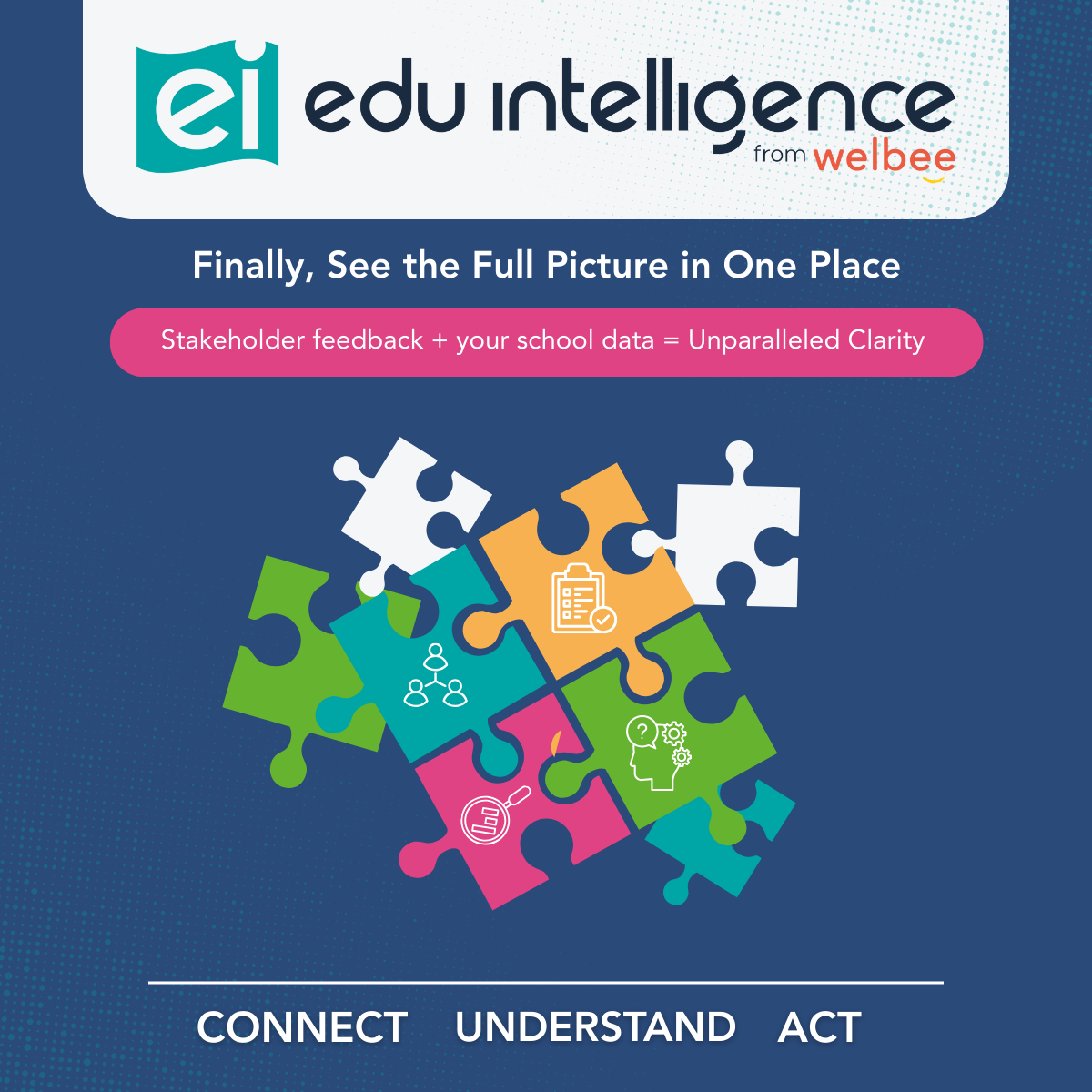
A survey tool that sits in isolation can tell you where scores are lower. A connected intelligence platform can start to tell you why.
That distinction matters more than most trusts realise when they are choosing a provider.
4. Measure the true cost of manual analysis.
Survey analysis takes time. For many trust HR and central teams, it takes more time than it should — and that cost rarely appears in the original procurement decision.
If producing a trust-level summary means pulling exports into spreadsheets, writing narrative by hand, and building separate slides for every audience, ask yourself what that process is actually worth in hours.
When reviewing a provider, ask the question directly: how long does it take your team to go from survey close to actionable insight? If the honest answer is days, factor that into the value calculation. The cheapest survey platform is not always the most cost-effective one.
5. Procure for action, not just delivery.
The best survey partners do not stop at collecting responses. They help you understand what the results mean, identify where to focus, and support the conversations that follow — with school leaders, governors, and central teams.
When evaluating providers, look for evidence that their outputs have actually changed something. Not just that schools found the survey straightforward to run, but that the results informed a people strategy decision, shaped an improvement priority, or helped a trust make faster, more confident decisions.
Survey delivery is a commodity. Insight that drives action is not.
The trusts that find it easiest to make good decisions about survey provision are usually the ones that have had the conversation before the academic year pressures take over. September has a habit of arriving before the decision gets made.
If you are currently reviewing your staff survey approach for 2026/27 and would like to see what a more connected, intelligence-led approach looks like in practice, we would be happy to show you.